

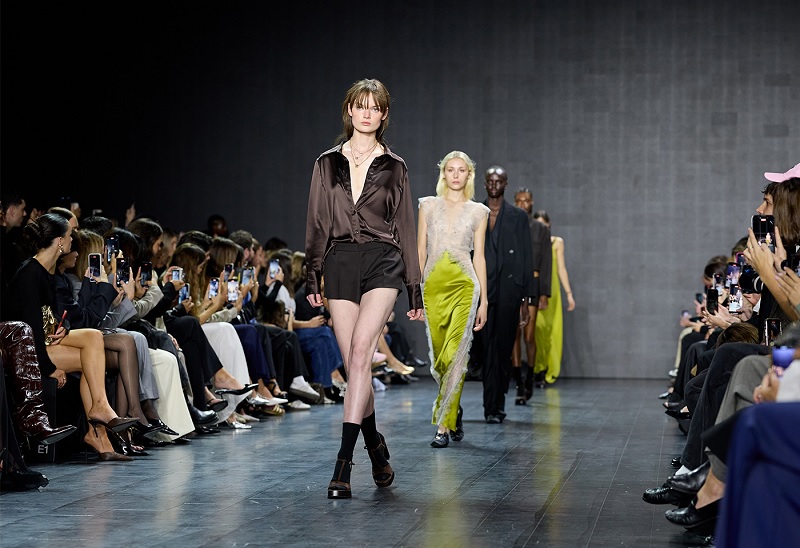
The runway lights blind the audience with synchronized brilliance, and the final editorial image looks effortlessly iconic in the glossy pages of a magazine. To the casual observer, the world of professional modeling appears entirely spontaneous—a realm where genetically blessed individuals simply step in front of a lens or glide down a catwalk and look magnificent. Behind that polished facade, however, lies an intense, highly disciplined operational routine. Professional modeling is a rigorous physical and mental vocation. The world-class models who sustain long-term careers do not rely on luck or raw genetics alone. Instead, they treat their bodies, minds, and schedules with the rigorous preparation of elite athletes, ensuring they are perpetually ready to execute a client’s creative vision under immense pressure.
The Physical Foundation: Skin Care, Nutrition, and Sleep
Long before a model steps into a fitting room or sits in a hair and makeup chair, the preparation begins weeks and months in advance. The human body is a model’s primary tool of trade, requiring meticulous maintenance to withstand the grueling demands of the industry.
The Science of Skin Recovery
A model’s skin is constantly subjected to heavy cosmetics, aggressive chemical removers, harsh studio lighting, and constant climate shifts caused by international travel. Because professional retouching cannot entirely salvage deeply dehydrated or damaged skin under high-definition lenses, skin care is treated as a non-negotiable discipline. Top professionals adhere to strict hydration protocols, consume nutrient-dense diets rich in healthy fats and antioxidants, and maintain rigorous cleansing routines. Consistency is the ultimate secret to runway-ready skin. By prioritizing cellular recovery through proper sleep cycles and avoiding inflammatory foods, models ensure that hair and makeup teams have a flawless, healthy canvas to work with on the morning of a show.
Physical Conditioning and Stamina
While historical stereotypes often point toward unhealthy dieting, the modern modeling industry has shifted decisively toward athletic conditioning. Navigating a high-stakes runway in towering heels while wearing an avant-garde, structurally heavy garment requires extraordinary core strength, balance, and cardiovascular endurance. Similarly, holding a complex, physically demanding architectural pose for hours on end during a commercial photoshoot demands deep muscle control. Professionals maintain their physiques through targeted resistance training, pilates, yoga, and cardiovascular exercise, focusing on lean muscle tone and functional strength rather than mere aesthetic restriction.
Mental Preparation and Character Immersion
Physical readiness is only half the battle. The psychological demands of stepping onto a live runway or managing a complex commercial set require a resilient, adaptable mindset.
When a model receives a creative brief, they do not just memorize the schedule; they immerse themselves in the emotional narrative of the brand. For a high-fashion editorial shoot, this might involve studying mood boards, analyzing the photographer’s past work, and understanding the subtext of the collection. A professional model prepares mentally by becoming a physical chameleon. They mentally shed their personal identity to adopt the precise persona required by the designer or art director. Whether the brief demands cold, untouchable editorial detachment or warm, approachable commercial vitality, the psychological transition must happen instantly the moment the camera starts rolling or the music cues the runway walk.
Furthermore, models must cultivate an unshakeable internal confidence to combat the inherent vulnerability of the job. Facing a room filled with critical eyes, stylists, and directors requires blocking out external noise and maintaining absolute self-assurance. This mental fortitude allows them to take harsh direction constructively and experiment fearlessly with movement without second-guessing their form.
The Final 24 Hours: The Pre-Shoot and Pre-Show Rituals
As the event or photoshoot date approaches, the preparation shifts from long-term lifestyle habits to hyper-focused logistical execution. The final twenty-four hours before a call time are managed with military precision.
Packing the Professional Kit
Every professional model maintains a specialized kit bag that accompanies them to every job, ensuring they are entirely self-sufficient. This kit includes a carefully curated selection of neutral undergarments in various cuts, a selection of professional footwear—including neutral skin-toned heels and comfortable walking shoes for backstage transits—along with personal skin care products, breath fresheners, and simple, fitted black clothing that allows dressers and stylists to work quickly during rapid-change moments backstage.
Rest, Hydration, and Pacing
The night before a major show, such as during fashion week, schedules are notoriously chaotic, often involving late-night fittings that bleed into the early morning hours. Despite these tight turnarounds, professionals fiercely protect their sleep and hydration levels. They avoid heavy sodium and excessive alcohol to prevent water retention and puffiness, ensuring their facial structure remains sharp and defined under unforgiving runway lighting. On the morning of the event, they arrive at the venue early, mentally centered and ready to navigate the frantic energy of the backstage area.
Backstage Choreography and Rehearsals
When a model arrives at a venue for a runway show, the environment is a whirlwind of organized chaos. Dozens of hair stylists, makeup artists, dressers, and producers are moving at a frantic pace, all working toward a single, immovable deadline.
Navigating this environment requires high emotional intelligence and adaptability. Models must sit patiently through hours of hair and makeup transformations while remaining completely alert so they can quickly transition into fittings. During the rehearsal walk, they carefully map out the spatial dynamics of the runway—noting the exact length of the walk, the placement of sharp turns, the speed of the backing track, and the angle of the photographer pit at the end of the stage. A successful runway walk is the intersection of muscle memory and spatial awareness. By rehearsing diligently, models eliminate the risk of stumbling and ensure they showcase the garments with the precise rhythm and posture the designer intended.
Ultimately, professional modeling is far removed from the passive illusion of effortless beauty projected to the public. It is a grueling, highly disciplined profession built upon weeks of intentional physical conditioning, meticulous skin and health maintenance, deep psychological immersion, and sharp logistical execution. By treating every photoshoot and runway show as a high-performance athletic and artistic endeavor, professional models transform raw aesthetics into enduring visual art, proving that true glamour is always built on a foundation of relentless preparation.