

Every significant milestone in life possesses its own distinct rhythm, emotional resonance, and atmosphere. Whether you are walking down the aisle, celebrating a fiftieth wedding anniversary, launching a major corporate milestone, or welcoming a newborn child into the family, these events represent irreplaceable moments in time. Yet, when the music fades, the guests depart, and the venue lights are switched off, the physical manifestations of those memories are entirely confined to photographs.
Choosing the right photographer is only half the battle. The true secret to securing a visual legacy that resonates for decades lies in selecting the precise photography style that aligns with the nature of the occasion. A sweeping, high-contrast editorial approach that looks breathtaking for a fashion-forward gala can feel cold and detached at an intimate family christening. Conversely, a purely documentary, fly-on-the-wall style might miss the carefully orchestrated details of a high-end corporate product launch. Matching the visual philosophy of your imagery to the emotional and practical demands of your event requires a nuanced understanding of modern photographic aesthetics.
Decoding the Primary Photographic Styles
Before evaluating which style belongs at your specific gathering, you must first demystify the core aesthetic vocabularies used by professional photographers today. While individual artists always inject their personal flair, commercial photography generally falls into four distinct stylistic categories.
Traditional and Classic Portraiture
Classic photography is rooted in timelessness, symmetry, and formal composition. This style prioritizes clean lighting, sharp focus, and deliberate posing. In a traditional shoot, the photographer acts as a gentle director, organizing groups, adjusting posture, and ensuring everyone looks directly into the lens with a polished expression. While critics occasionally dismiss traditional photography as stiff, its enduring value lies in its resistance to fleeting social media trends. A classic portrait captured today will look just as dignified, elegant, and relevant thirty years from now, stripped of awkward filters or experimental framing gimmicks.
Photojournalism and Documentary Storytelling
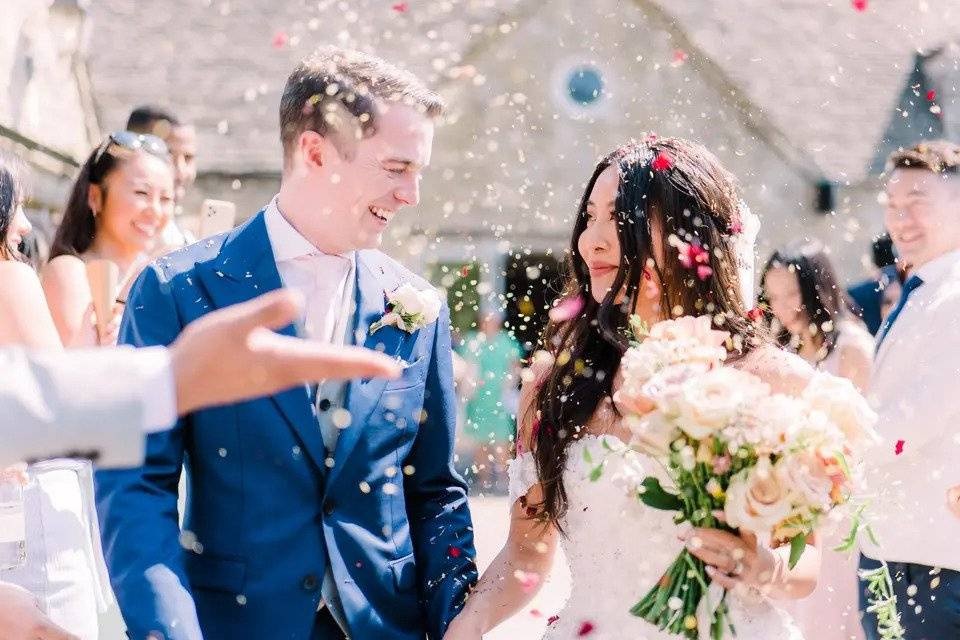
Photojournalism is the art of non-interference. Photographers working in this style operate as silent observers, fading into the background to capture raw, unscripted human behavior. There is zero posing, zero artificial direction, and no pausing the action to look at the camera. Instead, the focus is entirely on genuine emotional reactions, fleeting glances, and the organic flow of the event. Documentary photography thrives on imperfection—a tear wiped away mid-laugh, a child hiding under a banquet table, or an anxious deep breath taken backstage before a keynote speech.
Fine Art and Editorial Aesthetics
Drawing heavy inspiration from high-fashion magazines and museum galleries, fine art photography treats every single frame as a conceptual piece of art. This style places immense emphasis on dramatic lighting, moody color grading, unusual compositional angles, and deep emotional mood. Fine art photographers are not merely recording reality; they are reinterpreting it through a highly personal, stylized lens. The resulting images are often striking, dramatic, and deeply atmospheric, making them exceptionally popular for high-end luxury events and avant-garde weddings.
Lifestyle and Contemporary Hybrid
Lifestyle photography sits comfortably in the middle ground between rigid traditionalism and chaotic photojournalism. This style embraces natural light and candid interactions, but the photographer provides gentle prompts rather than stepping back entirely. Instead of asking subjects to stare down the lens and smile, a lifestyle photographer might ask a couple to walk down a path and whisper to each other, capturing natural movement and authentic laughter while still maintaining control over the composition and background aesthetics.
Matching Style to Milestone: Weddings and Romance
A wedding is perhaps the most emotionally complex and visually demanding event anyone will ever plan. It requires a delicate balance of intimate family portraits, high-energy party documentation, and quiet, romantic moments.
For couples who deeply value tradition and want to ensure every single family member is documented in a crisp, formal portrait, a blend of classic portraiture for the ceremony formals and photojournalism for the reception is the gold standard. The formal sessions ensure historical family documentation, while the documentary approach preserves the genuine joy of the dance floor.
Conversely, couples drawn to the pages of high-fashion publications should lean heavily into an editorial fine art style. This approach prioritizes striking environmental portraits, dramatic sunset lighting, and artistic framing over a rigid timeline, transforming the wedding day into a sophisticated visual narrative.
Corporate Galas and Professional Summits
Corporate events operate under an entirely different set of psychological expectations. Whether you are hosting an annual shareholder meeting, a charity fundraising gala, or an industry-leading product launch, the photography must serve a dual purpose: it must accurately capture the energy of the room while reinforcing the professional credibility of the brand.
For corporate environments, a hybrid of clean documentary coverage and sharp lifestyle staging is almost always the most effective choice. Stakeholders and marketing teams need high-resolution images of keynote speakers actively engaging with audiences, candid networking moments during cocktail hours, and crisp interior shots of the venue branding. Avoid overly moody fine art styles for corporate events, as deep shadows and experimental color grading can undermine the professional clarity required for annual reports, press releases, and future marketing campaigns. The lighting must be clean, the focus must be razor-sharp, and the human interactions must communicate confidence, collaboration, and industry leadership.
Milestone Family Celebrations and Anniversaries
When celebrating a sixtieth birthday, a golden wedding anniversary, or a multi-generational family reunion, the emotional core of the event shifts toward legacy and connection. These gatherings are defined by shared histories and deep-rooted relationships.
For these intimate milestones, lifestyle and documentary photography shine brightest. Rigid, formal posing often causes older family members and young children to feel stiff and uncomfortable. A lifestyle approach, where the photographer prompts the family to gather closely, share stories, or interact naturally, coaxes out authentic warmth and generational joy. The resulting images capture not just what the family looked like on that specific afternoon, but the palpable affection and dynamic energy that bind them together.
Navigating the Decision Process with Your Photographer
Once you have identified which photographic style best matches the emotional and functional requirements of your event, the final step involves clear, transparent communication with prospective professionals.
Many modern photographers describe themselves as hybrid shooters, blending documentary observation with editorial portrait sessions. When reviewing portfolios, do not just look at the highlights featured on a polished homepage or social media feed. Ask to see complete, unedited galleries from past events that match the scale and lighting conditions of your upcoming occasion. This ensures the photographer’s consistent output matches your aesthetic expectations.
Furthermore, discuss your timeline openly. If you choose an editorial fine art style for a wedding, ensure your planner has allocated sufficient time in the schedule for the photographer to meticulously craft those dramatic lighting setups. If you prefer a pure photojournalistic approach, accept that you will spend very little time posing for formal portraits, allowing you to remain fully immersed in the flow of the celebration.
Ultimately, choosing the right photography style is an exercise in intentional storytelling. By assessing the unique energy of your special occasion and aligning it with the appropriate aesthetic framework, you ensure that your visual memories are not merely recorded, but elevated into an enduring, powerful narrative of your life’s most meaningful moments.