

Stepping into the world of fashion modeling often feels like peering behind an impenetrable velvet curtain. To the outsider, the industry appears governed by an elusive, mysterious set of rules where success seems entirely dependent on genetic lottery tickets. Aspiring models are routinely bombarded with conflicting advice, predatory scams, and unrealistic expectations, leaving many wondering where truth ends and myth begins.
Navigating this competitive landscape requires moving past the romanticized illusions projected in media and examining the cold, commercial realities of the profession. Modeling is not merely an exercise in standing still and looking attractive; it is a rigorous, highly specialized commercial trade. Whether your ambition is high-fashion editorial, commercial print, or runway work, understanding the foundational requirements demanded by agencies and casting directors is the essential first step toward building a sustainable, legitimate career.
Deconstructing Physical Standards and Measurements
While the fashion industry has slowly expanded its parameters of inclusion in recent years, specific physical requirements remain deeply entrenched, particularly within high-fashion and runway sectors. These standards are not arbitrary; they are rooted in the practical manufacturing realities of sample sizes and the specific visual geometry required by photographers and designers.
The Haute Couture and Editorial Baseline
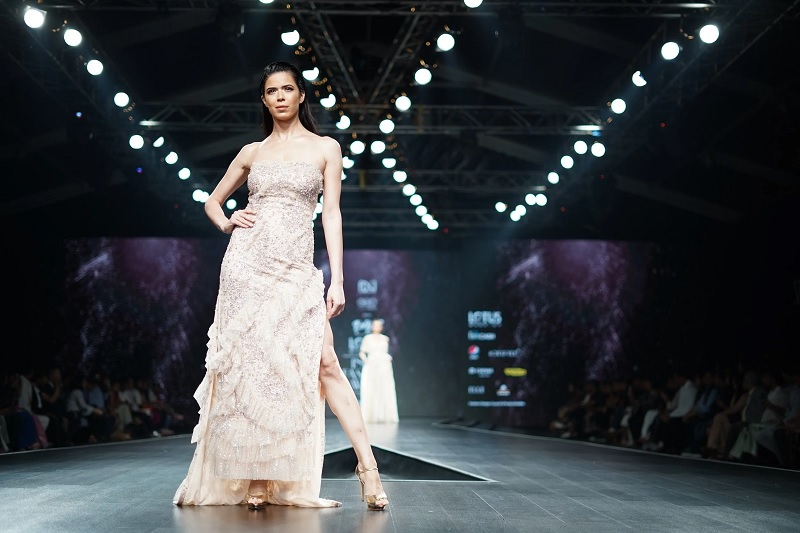
For traditional high-fashion editorial work and major runway shows, height and proportional measurements remain strictly regulated. Female fashion models typically need to stand between five feet nine inches and six feet tall, with measurements hovering around a standard thirty-four-inch bust, twenty-four-inch waist, and thirty-four-inch hips. These dimensions ensure that sample garments, which are universally sewn in standard industry sizes, drape and fit precisely as the designer intended during runway presentations.
Male fashion models targeting high-fashion editorial markets generally need to stand between six feet and six feet two inches tall, with a proportionate athletic build, broad shoulders, and a waist measuring around thirty-two inches. These physical benchmarks allow designers to maintain a uniform silhouette across their entire collection.
The Expanding Horizons of Commercial Modeling
Fortunately, the commercial modeling sector offers a vastly more inclusive landscape for newcomers whose physical dimensions fall outside traditional runway parameters. Commercial work encompasses lifestyle advertising, catalog campaigns, e-commerce, beauty, and fitness branding. In this space, versatility, approachability, and specific marketable looks vastly outweigh strict height restrictions.
Commercial print models can be shorter, and diversity in height, age, and body type is heavily embraced because these campaigns aim to reflect the general consumer population. However, regardless of whether you pursue editorial or commercial avenues, the underlying demand for healthy skin, well-maintained hair, and proportional physical fitness remains universally mandatory.
The Digital Portfolio: Compiling Your Digitals and Polaroids
When an aspiring model submits an application to a reputable agency, casting directors do not want to see heavily styled, professionally edited portfolio images filled with dramatic lighting and artistic filters. Instead, they require a clean, unvarnished look at your raw potential through what the industry calls digitals or polaroids.
Mastering the Art of the Basic Submission
Digitals are straightforward, highly standardized photographs that showcase your natural bone structure, skin texture, and body proportions without any visual deception. A proper digital submission package requires a very specific set of shots. You will need a straight-on headshot with a neutral expression, a profile shot, a three-quarter view, and a full-length body shot.
The technical execution of these photos is critical. They should be captured in bright, natural daylight—ideally standing in front of a clean, neutral wall with zero distracting background elements. Avoid heavy makeup, excessive hairstyling, colored contact lenses, or digital filters. Wear fitted, simple clothing such as a plain white t-shirt and form-fitting jeans or a swimsuit, which allows the agency scouts to accurately evaluate your physical proportions and muscle tone. The goal of a digital submission is to provide a completely transparent canvas that proves you possess the raw symmetry and structural integrity required for commercial adaptation.
Developing Essential Portfolio Foundations
Once you secure representation with a mother agency, the focus shifts immediately toward building your professional portfolio. For a beginner, a portfolio is not a scrapbook of your favorite selfies; it is a resume of visual evidence proving to prospective clients that you can handle the demands of a real commercial set.
Curating Versatility Over Volume
A common mistake among newcomers is packing their portfolio with twenty variations of the exact same pose and facial expression captured against different backdrops. High-end clients do not care how many times you can look moody in a leather jacket. They want to see range.
A strong beginner portfolio should ideally contain four to six exceptionally strong, diverse images that demonstrate your ability to transition between different brand identities. This should include a clean beauty shot showcasing skin and facial structure, a commercial lifestyle image displaying warmth and approachability, a high-fashion editorial shot highlighting your ability to use your body lines creatively, and a classic black-and-white portrait emphasizing timeless elegance. Collaborating with professional hair stylists, makeup artists, and photographers who understand current industry aesthetics is the only way to achieve the polish required to attract paying clients.
The Mental Fortitude and Professional Etiquette Required
Physical attributes and a pristine portfolio will only carry an aspiring model through the initial casting door. What determines whether a model sustains a long-term career or washes out within six months is their psychological resilience and professional work ethic.
Navigating the Reality of Rejection
The modeling industry is built upon an astonishingly high volume of rejection. Even top-tier supermodels face constant rejections during casting seasons, where decisions are frequently made based on microscopic aesthetic preferences or instantaneous client whims. A beginner must develop thick skin immediately. Taking rejection personally is a direct path to burnout. Successful models view castings not as personal evaluations of their human worth, but as business auditions where they are simply pitching a specific product fit for a specific client.
Punctuality, Preparation, and Adaptability
Professionalism on set is non-negotiable. Arriving fifteen minutes early to a call time, maintaining absolute respect for every member of the crew—from the lead photographer down to the digital assistant and wardrobe stylists—and retaining high energy during a fourteen-hour shoot are the hallmarks of a true professional.
Models must also learn to take direct, sometimes blunt artistic direction without letting their ego interfere. If a director asks you to completely change your posture, alter your facial expression, or wear a challenging avant-garde garment that feels uncomfortable, you must execute the direction with grace and enthusiasm. The ability to collaborate seamlessly in a fast-paced team environment is what keeps clients rebooking a model time and time again.
Breaking into the fashion modeling industry requires a calculated blend of realistic self-assessment, professional presentation, and unshakeable mental endurance. By understanding the objective physical standards required for different market sectors, mastering the clean execution of digital submissions, curating a versatile portfolio, and cultivating a resilient work ethic, beginners can strip away the mystery and approach their modeling journey as a legitimate, highly strategic business endeavor.